Henry Flagler and the Development of Modern Florida
“The man who saw wilderness and out of it created an empire; who saw a desert and out of it made a garden…”
– Henry M. Flagler—Empire Builder, W. M. Walker, 1925
From the 1880s until his death in 1913, Henry Flagler devoted himself to transforming Florida’s East Coast, leaving a legacy that reshaped the state’s economy, transportation network, and tourism industry.
Born in 1830 in Hopewell, New York, Flagler began his career in the grain and salt industries before becoming a founding partner of Standard Oil. Working alongside John D. Rockefeller, he helped build the company into one of the most successful business enterprises of the Gilded Age. Flagler first visited Florida in 1878 with his wife, Mary Harkness Flagler. Suffering from chronic health problems, Mary had been advised by her physician to escape the harsh northern winters and spend time in Jacksonville. During this trip, Flagler recognized Florida’s enormous potential for growth. At the same time, he observed significant shortcomings, particularly the lack of quality hotels and reliable transportation infrastructure.
The creation of the Standard Oil Trust in 1882 provided the 52-year-old Flagler with an annual income of several million dollars in dividends. Free from the demands of daily business operations, he turned his attention to Florida and embarked on a new career as a railroad and resort developer. In 1883, while honeymooning in St. Augustine with his second wife, Ida Alice Shourds Flagler, he became captivated by the city’s possibilities. Soon afterward, he purchased his first parcel of land there, setting in motion an ambitious plan to transform St. Augustine into a premier winter resort destination.
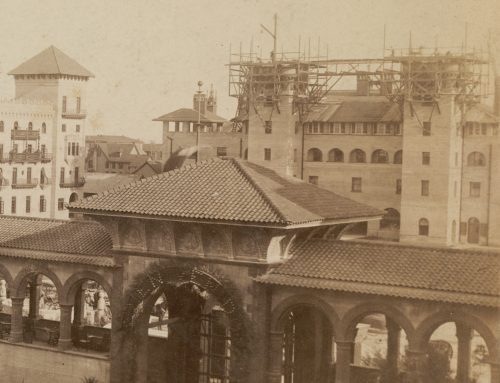
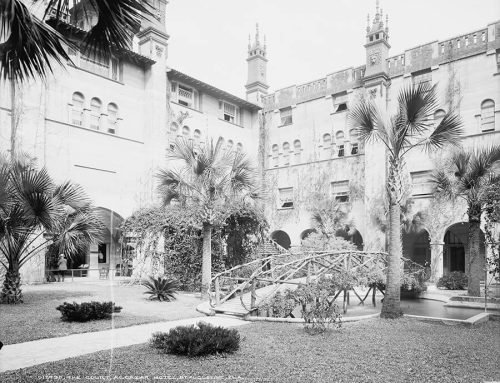
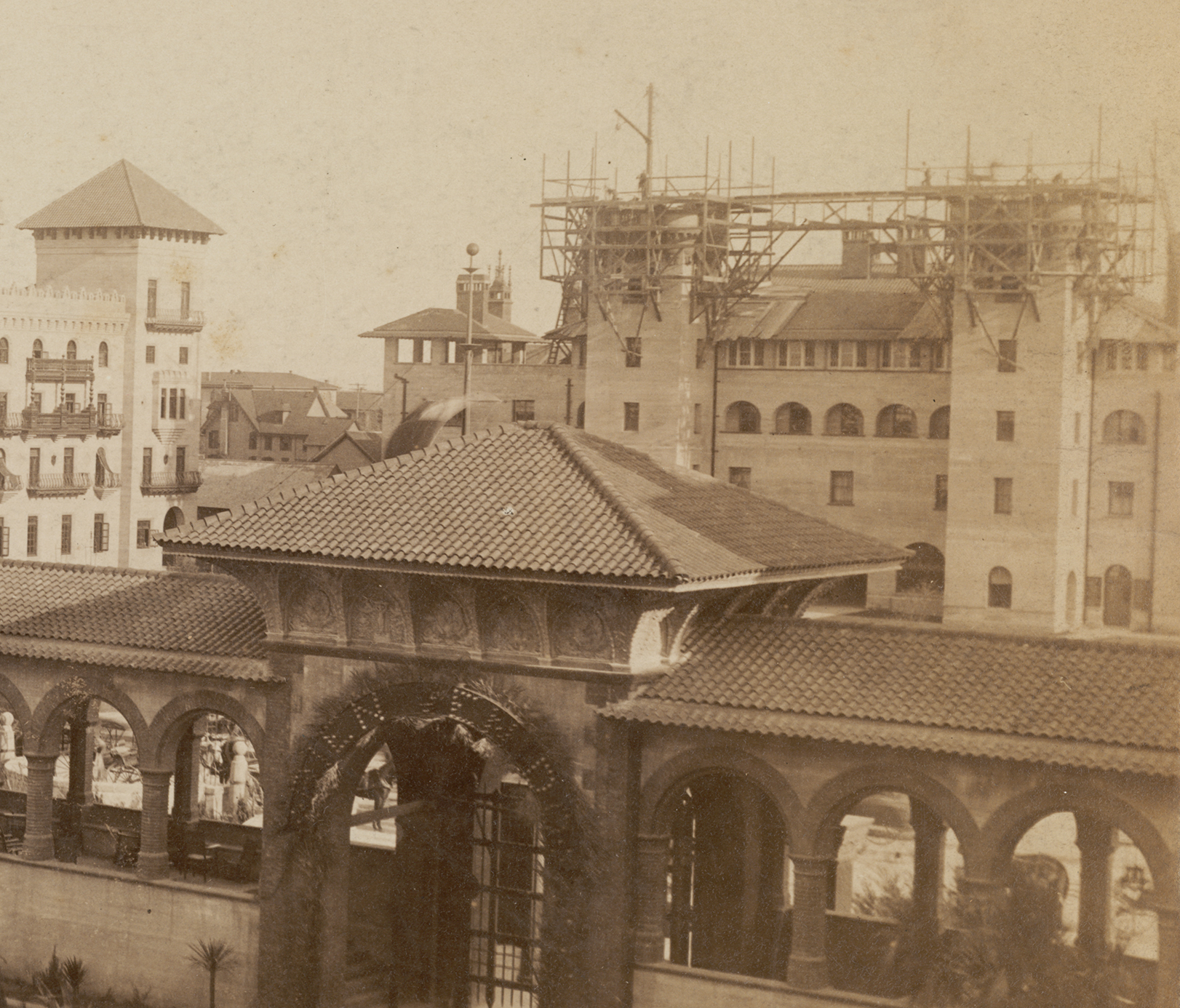
In 1885, Flagler began construction of his first Florida hotel, the Hotel Ponce de Leon. Its remarkable success, followed by the opening of the Alcazar Hotel, encouraged him to expand his vision farther south. As the Florida East Coast Railway opened previously inaccessible regions to development and tourism, Flagler established a chain of grand hotels designed to attract affluent travelers. Among the most notable were the Breakers and Royal Poinciana hotels in Palm Beach, the Royal Palm Hotel in Miami, and the Casa Marina in Key West.
Through his ambitious investments in transportation and hospitality, Flagler helped shape modern Florida. His vision and determination fueled the development of communities along the East Coast and established Florida as an internationally renowned destination for tourists.
Henry Flagler and his Era
Category: Education,Supporting Materials
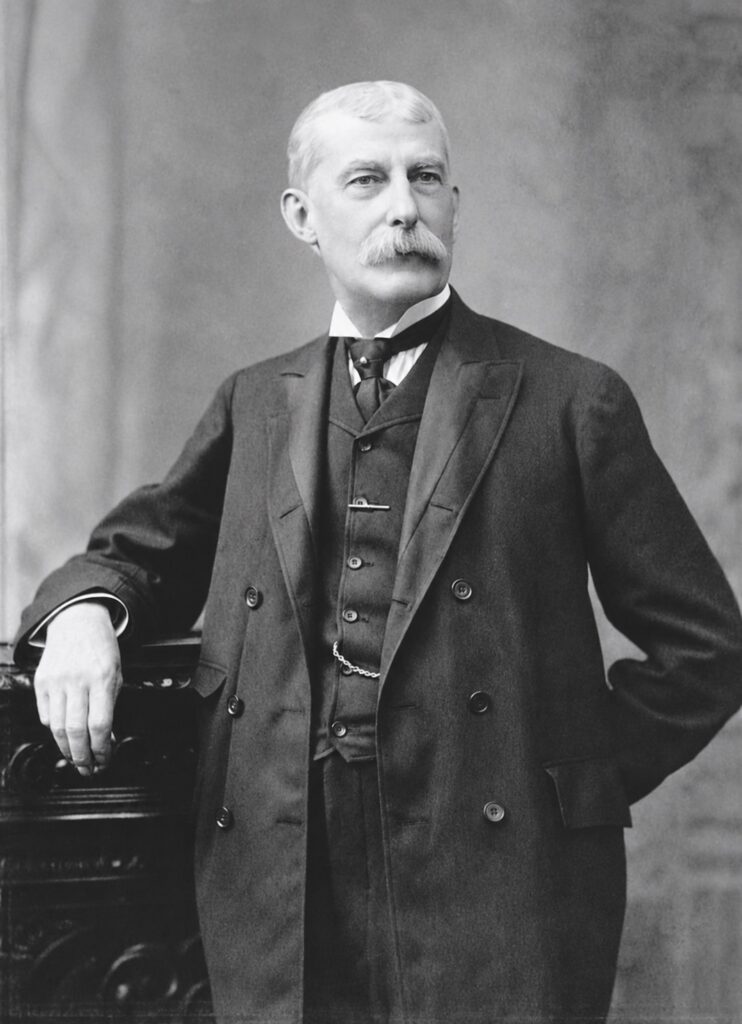
Henry Flagler
c. 1907
Lightner Learning: Discover Florida Through Art, Architecture, and History
Explore Florida’s cultural and historical identity with Lightner Learning, a free digital resource hub from the Lightner Museum featuring curriculum-aligned lesson plans and hands-on activities for educators.
Located in the heart of historic St. Augustine, the Lightner Museum offers a unique setting for students to explore the stories that shaped Florida. Housed in the iconic former Hotel Alcazar, built by Henry Flagler in 1888, the museum provides a window into the transformative era when Flagler’s hotels, railroads, and civic investments helped establish St. Augustine as a premier destination and shaped the development of modern Florida.