The Hotel Alcazar: Health, Wellness, and Luxury on Florida’s Atlantic Coast
“The Alcazar… contains every element for dissipation of ennui and perfect enjoyment of a most charming winter and summer climate.”
— Flagler Hotels Promotional Brochure, 1887
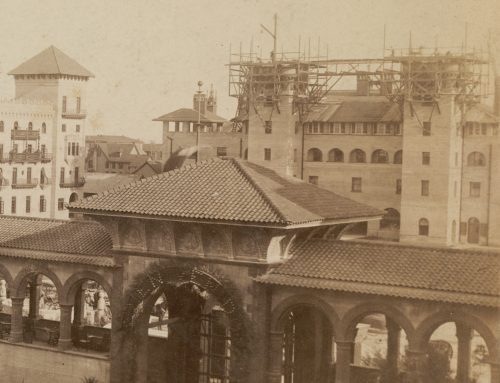
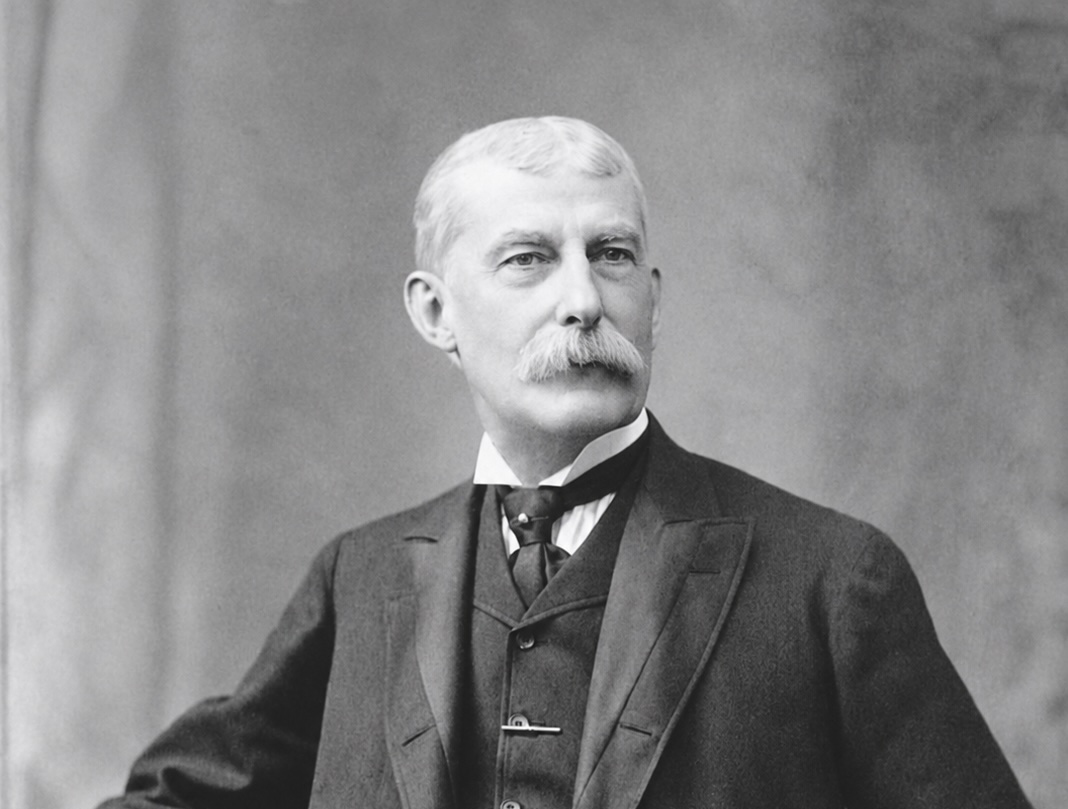
Designed by the architects Carrère and Hastings, the Hotel Alcazar was the second resort hotel built by Henry Flagler in St. Augustine. Originally conceived as a recreational and entertainment annex to the grander Hotel Ponce de Leon, the project was soon redesigned and expanded into an independent hotel. The Alcazar opened on Christmas Day, 1888.
The Alcazar is a monumental structure constructed of poured concrete. Flagler’s St. Augustine hotels were the first large multistory concrete buildings in the United States. Although its concrete walls convey a sense of solidity, the exterior is enlivened by intricate terracotta ornamentation and crowned with red tile roofs. Large arched windows at street level and smaller rectangular windows above establish a regular rhythm across the exterior, while twin towers draw the eye upward away from the grey mass of concrete. These towers are topped with elaborate belvederes of terracotta and red brick, adding a distinctive vertical emphasis to the design.
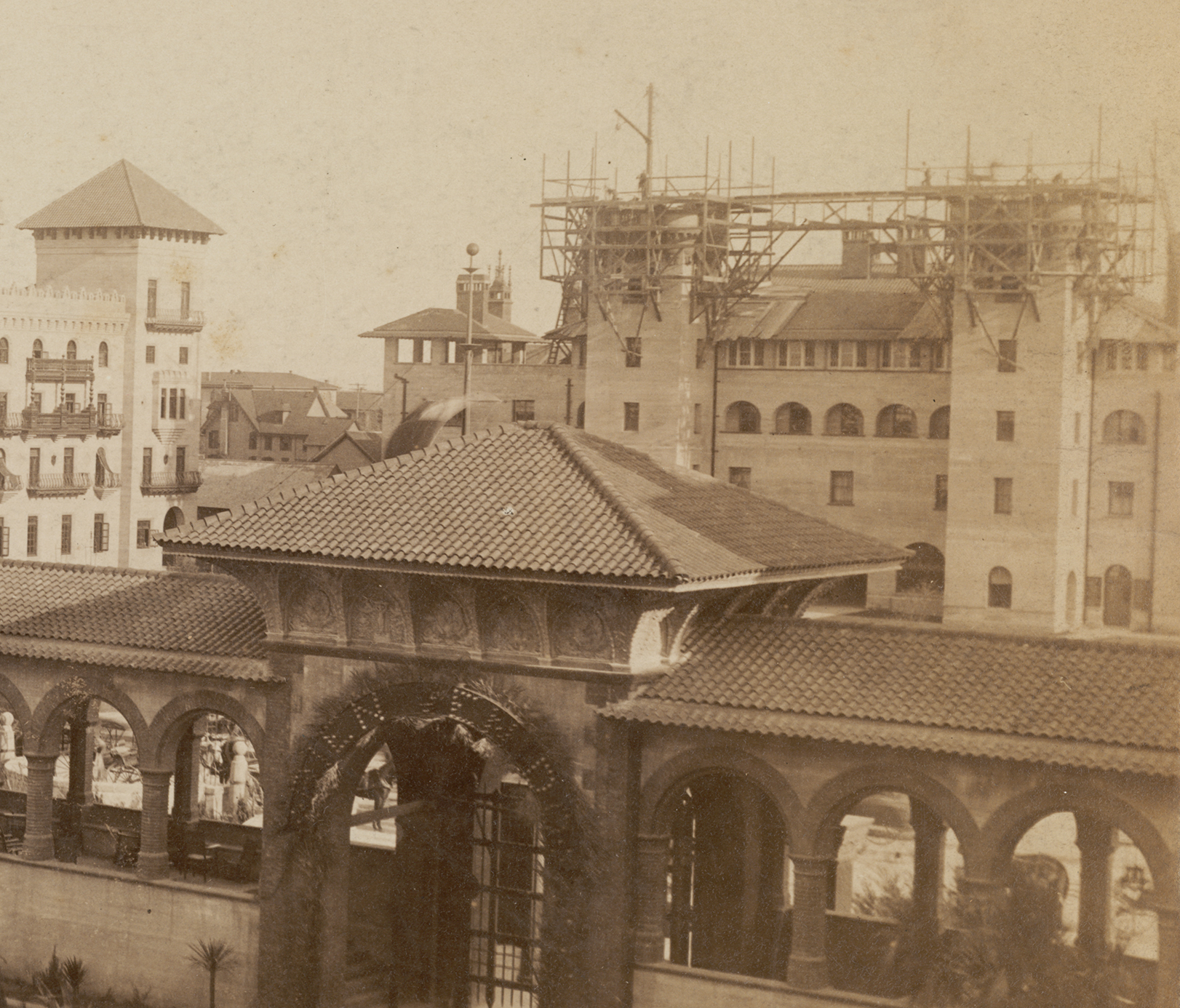
The Alcazar was organized into three principal components: the hotel, the baths, and the casino. At the north end of the complex, guest rooms surrounded a lush interior courtyard filled with tropical plants and bordered by a covered arcade of luxury shops. What distinguished the Alcazar from the more formal Ponce de Leon Hotel was its emphasis on recreation and leisure. The central portion of the building housed the baths, a suite of spaces devoted to the health and well-being of guests. To the south stood the Casino, an immense four-story structure containing a large indoor swimming pool, a grand ballroom, and a bowling alley. Beyond the Casino, a croquet lawn and tennis courts completed the hotel’s extensive recreational amenities, making the Alcazar a popular destination for both visitors and local residents.
As the twentieth century progressed, changing vacation preferences and increasing competition from other destinations gradually diminished the popularity of Flagler’s St. Augustine hotels. The economic devastation that followed the Wall Street Crash of 1929 accelerated this decline, and amid the Great Depression, the Hotel Alcazar closed its doors in 1931.
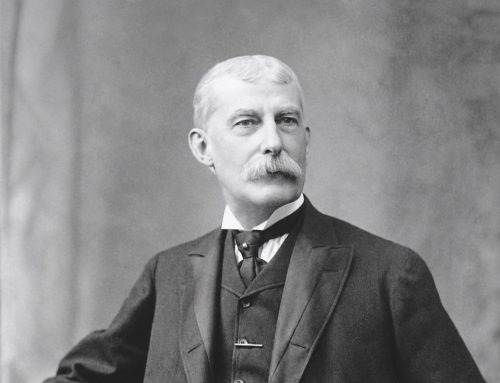
Henry Flagler and his Era
Category: Education,Supporting Materials

Courtyard of the Hotel Alcazar
c. 1900
Lightner Learning: Discover Florida Through Art, Architecture, and History
Explore Florida’s cultural and historical identity with Lightner Learning, a free digital resource hub from the Lightner Museum featuring curriculum-aligned lesson plans and hands-on activities for educators.
Located in the heart of historic St. Augustine, the Lightner Museum offers a unique setting for students to explore the stories that shaped Florida. Housed in the iconic former Hotel Alcazar, built by Henry Flagler in 1888, the museum provides a window into the transformative era when Flagler’s hotels, railroads, and civic investments helped establish St. Augustine as a premier destination and shaped the development of modern Florida.