
About the Collection
“There is demand for a museum of this type. Here the collection that afforded its owner so much pleasure, that made them an authority on the subject, that inspired many others with the same hobby, that was the fruit of long hours of… labor, can find its last resting place.”
Otto Lightner, Hobbies—The Magazine for Collectors, August 1947
At the heart of the museum’s offerings are its compelling collections. From Gilded Age furniture and vintage typewriters to American Brilliant Era cut glass and Victorian mechanical musical instruments, the Lightner Museum’s collections are rich, eclectic, and always engaging.
Founder Otto Lightner described his museum as a “collection of collections.” A leading figure in the American hobbies boom of the early twentieth century, Lightner was a keen advocate of the benefits of collecting. In an essay published in the first edition of his Hobbies magazine, Lightner wrote, “Have you a hobby? Certainly if you have not, you should have one. Hours of keen enjoyment await you as a collector… Your leisure hours may be made profitable ones, profitable in knowledge and financial reward.”
While Lightner encouraged every kind of hobby, from collecting stamps or cigar labels to whittling wood, he had the means to amass a substantial personal collection of fine and decorative art, natural history specimens, and Americana from the nineteenth and early twentieth centuries. Lightner first opened a Museum of Hobbies in Chicago in 1934. In addition to his own personal collection, Lightner encouraged the readers of Hobbies to send their hobby collections to be displayed at his museum. In 1946, following a stay at St. Augustine’s Hotel Ponce de Leon, Lightner purchased the neighboring Hotel Alcazar to serve as the permanent home for his collection.
Today the Lightner Museum’s collections are housed in the former Gilded Age resort hotel. The remarkable building provides a historic setting for the Museum’s eclectic collections. The result is an unconventional and immersive museum experience that delights visitors of all ages.
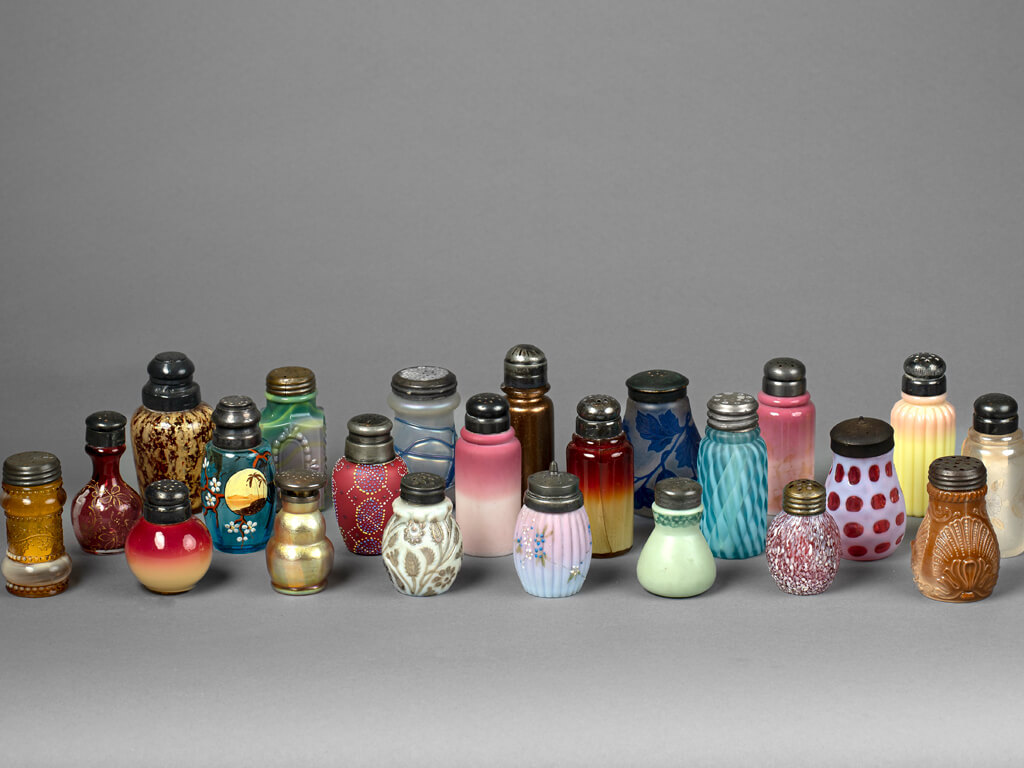
Salt and Pepper Shakers, 19th/20th century
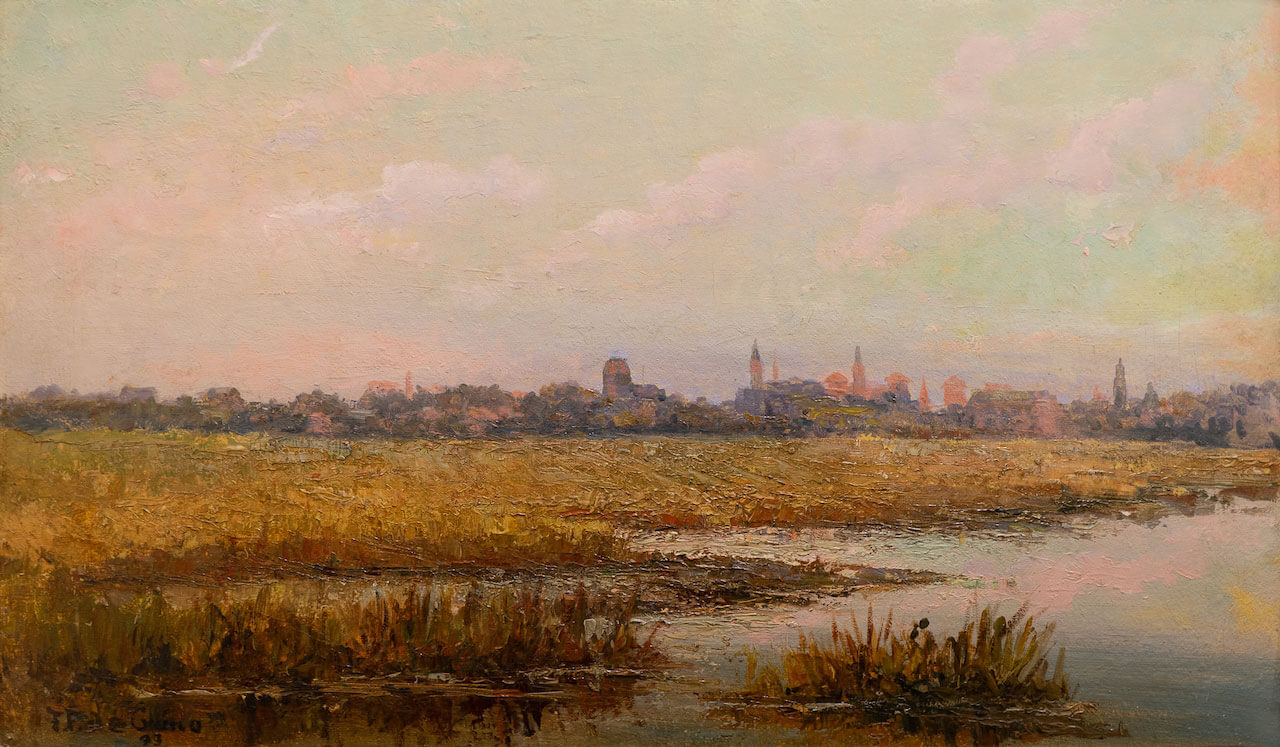
Felix F. de Crano (French-American, 1839-1908), St. Augustine Skyline, 1893. Oil on board